
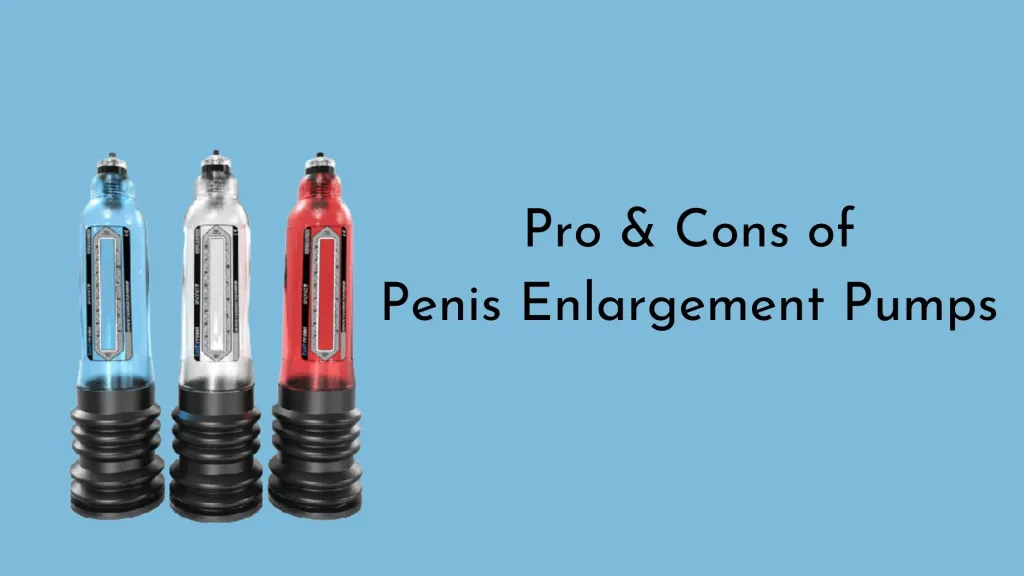
Penis Pump Safety and Side Effects — What You Should Know
Penis pumps are non-invasive and, used correctly, are considered safe for most healthy adults. But “used correctly” is doing real work in that sentence. Almost every problem people report comes from one of three things: too much pressure, sessions that run too long, or the wrong pump size.
This page covers what can go wrong, how to avoid it, and when to stop and see a doctor. We sell these pumps, so it is worth saying plainly: we would rather you use one safely for years than push too hard in the first month and stop.
How Vacuum and Hydro Pumps Work
A pump creates negative pressure around the shaft. That vacuum draws blood into the erectile tissue, producing a firmer, fuller erection. Over weeks of consistent use, improved circulation supports vascular health and the chambers of the penis gradually accommodate more blood flow.
The mechanism matters for safety. Air pumps compress unevenly, so pressure concentrates in patches — which is what causes the pinching and localised bruising air pumps are known for. Water-based pumps fill with warm water first, and because water does not compress, pressure distributes evenly across the whole surface. That even distribution is the main safety advantage of hydro pumps, and the warm water relaxes tissue before the vacuum builds.
It does not make them risk-free. Any vacuum strong enough to change blood flow is strong enough to cause damage if you overdo it.
Possible Side Effects
Bruising and skin discoloration
Small red or purple spots (petechiae) on the shaft are the most commonly reported effect, caused by burst capillaries under excess pressure. They usually fade within a few days. If you are seeing them, you are using too much pressure — not making faster progress.
Numbness or tingling
A temporary loss of sensation, usually from a session that ran too long or pressure held too high. Sensation normally returns within a short time. Persistent numbness is not normal and warrants medical attention.
Pain during or after use
Pumping should never hurt. Firm but comfortable is the target throughout. Pain means stop immediately — it is a signal, not something to work through.
Swelling or a “donut” ring at the base
Fluid retention where the cylinder seals against the body, usually from over-long sessions. It typically settles on its own. Shorter sessions prevent it.
Temporary change in erection quality
Some users notice softer erections for a day or two after an overly aggressive session. Rest for a few days and restart with shorter cycles and less pressure.
Who Should Get Medical Advice First
Speak to a doctor before you start pumping if any of these apply to you:
- You take blood-thinning medication (including aspirin therapy)
- You have a bleeding or clotting disorder, such as sickle cell disease
- You have Peyronie’s disease or any curvature of the penis
- You have diabetes, particularly with any nerve or circulation involvement
- You have a penile implant or have had surgery in the area
- You are experiencing erectile dysfunction that has not been assessed — ED can be a symptom of an underlying cardiovascular condition worth investigating
- You have an active infection, open sore or skin condition in the area
None of these automatically rule out pumping. They mean a doctor should weigh in first, which is a short conversation and worth having.
Safe-Use Limits
These are the limits, and they are not negotiable in either direction — exceeding them does not accelerate results.
Maximum 3 minutes per cycle
Hold the vacuum for up to 3 minutes, then release the pressure fully. Longer holds increase the chance of bruising and fluid retention without improving the effect.
Maximum 3 cycles per session
Release, take a short break, re-seal, and repeat — up to three times. The break between cycles lets circulation normalise, which is part of why the cycled routine works better than one long hold.
15-minute total session limit
Never exceed 15 minutes of total pumping in a day. If you are new to pumping, start with two cycles of two minutes for your first week and build up from there.
Pressure: firm, not painful
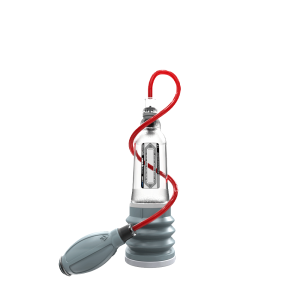
Build pressure gradually. On a HydroXtreme, squeeze the handball in small increments rather than hard at the start. If you feel anything beyond firm pressure, release some.
Always release the valve before removing
Press the quick-release valve and let the pressure go completely before taking the pump off. Pulling it off under suction is a genuine injury risk.
Warning Signs — Stop Immediately
End the session and release the pressure straight away if you notice:
- Pain of any kind
- Numbness or tingling
- Any change in skin colour — darkening, blueness or pallor
- Bruising or spotting appearing during the session
- Swelling that feels tight rather than full
Take several days off completely. When you restart, use shorter cycles and less pressure than before.
See a doctor if any of these persist after a few days, if you have pain that does not settle, numbness that does not resolve, a visible change in the shape or curvature of the penis, or difficulty urinating. These are not things to research further online — they are things to have looked at.
How to Reduce Your Risk
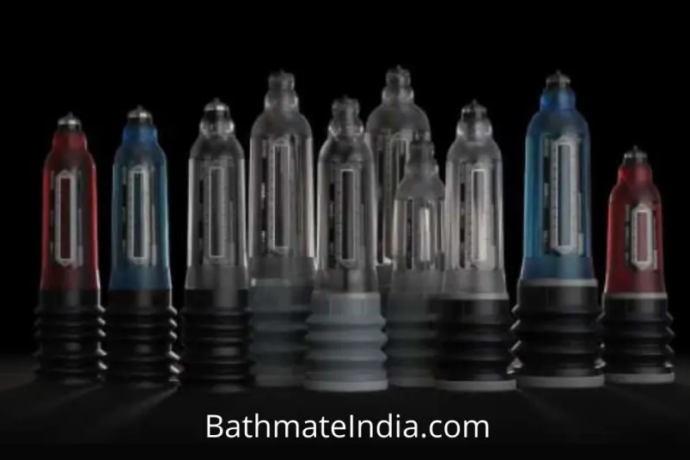
- Use the correct size. Wrong-size pumps are behind a surprising share of reported problems. An oversized cylinder will not seal; an undersized one restricts and pinches. Check the size chart.
- Warm up first. A few minutes in warm water relaxes tissue and improves circulation before the vacuum builds.
- Build pressure gradually. Never jump straight to maximum.
- Take rest days. Three to six sessions a week, with at least one day off. Tissue recovery is part of the process.
- Keep the pump clean. Rinse after every session and air-dry fully. A clean pump is a hygiene matter as much as a performance one.
- Never wear a power ring while pumping. Rings are for use during intercourse only, worn once you are already erect, for a maximum of 10 minutes. Using one during a pumping session can cause injury.
- Do not use alcohol or numbing products to tolerate higher pressure. If you need them, the pressure is too high.
Our step-by-step usage guide covers correct technique in full.
Setting Realistic Expectations
You will notice a fuller look immediately after each session. That immediate effect is temporary. Lasting improvements in erection quality build over weeks of consistent, correct use — and they vary between individuals depending on physiology, consistency and lifestyle. Diet, exercise, smoking, alcohol and stress all affect outcomes.
Anyone promising guaranteed measurements in a fixed timeframe is not being straight with you. Pumping is a routine, not a treatment.
Frequently Asked Questions
Are penis pumps safe?
Used within the recommended limits — up to 3 minutes per cycle, a maximum of three cycles, and no more than 15 minutes of total pumping per day — pumps are non-invasive and considered safe for most healthy adults. Excess pressure or over-long sessions can cause bruising, numbness or discomfort.
What are the side effects of a penis pump?
The most commonly reported are small burst capillaries (red or purple spots), temporary numbness, and mild swelling at the base. All are usually signs of too much pressure or too long a session, and typically resolve within a few days.
Are penis pumps dangerous?
Not when used as directed. Risk rises sharply with excess pressure, sessions beyond 15 minutes, removing the pump without releasing the valve, or using the wrong size. Anyone on blood thinners or with a clotting disorder should speak to a doctor first.
Can a penis pump cause permanent damage?
Serious injury is uncommon and generally associated with significant misuse. If you experience persistent pain, numbness that does not resolve, or a visible change in shape or curvature, stop using the pump and see a doctor rather than continuing.
Why do I get red or purple spots after pumping?
Burst capillaries under excess pressure. Reduce pressure, shorten your cycles, and take a few days off. They normally fade within a few days.
How long should a pumping session be?
Up to 3 minutes per cycle, three cycles maximum, and never more than 15 minutes of total pumping in a day. Beginners should start with two cycles of two minutes.
Is a water pump safer than an air pump?
Water does not compress, so a hydro pump distributes pressure evenly across the whole surface rather than concentrating it in patches as air does. That even distribution is the main safety advantage, though correct use still matters.
Who should not use a penis pump?
Anyone on blood-thinning medication, with a bleeding or clotting disorder, Peyronie’s disease, unassessed erectile dysfunction, a penile implant, or an active infection in the area should speak to a doctor before starting.



Leave a comment